Why Australia's Innovative Approach to Eco-Friendly Homes Matters
Exploring Eco-Friendly Concepts
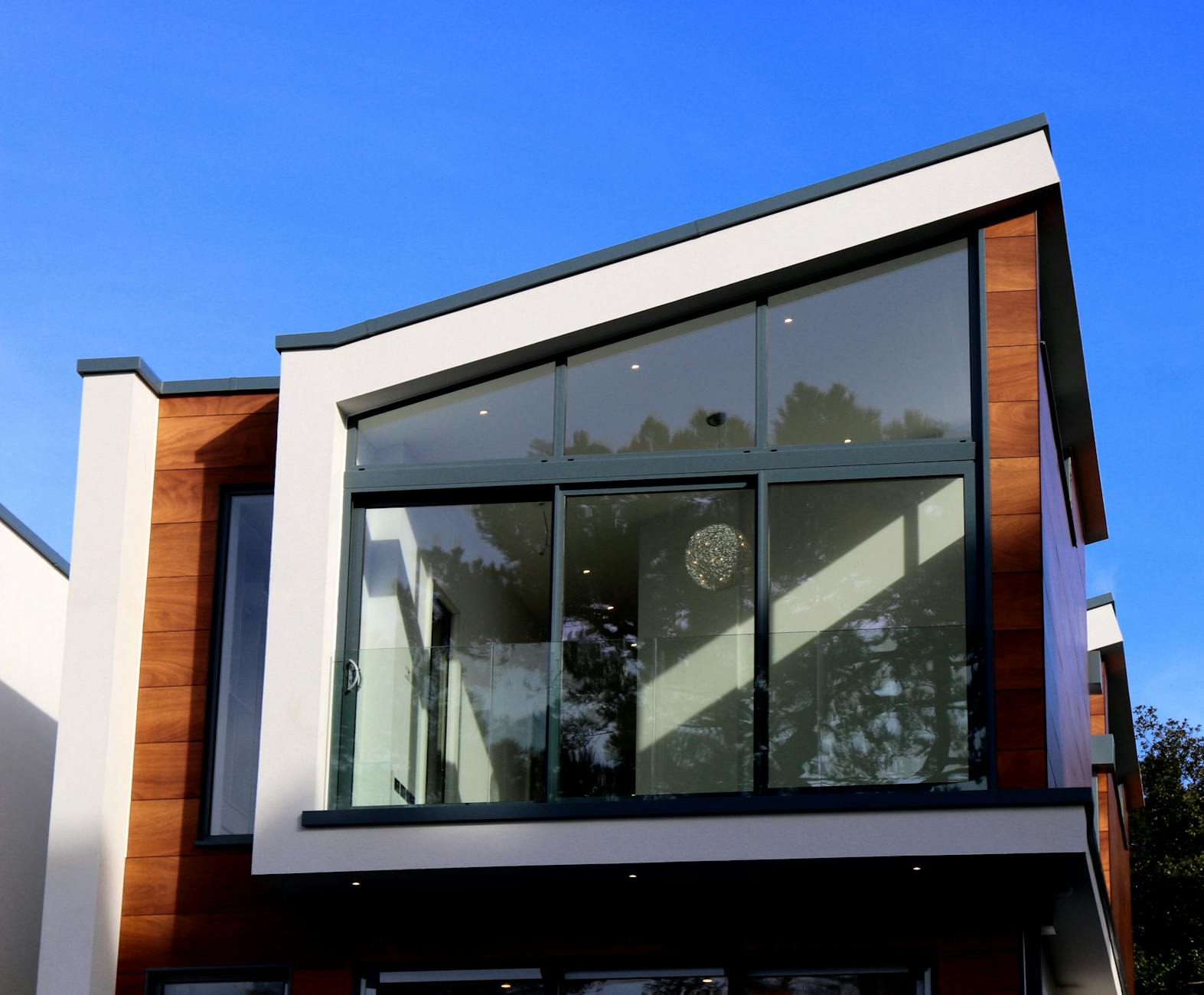
As a seasoned structural engineer, I'm continually intrigued by how sustainable practices reshape our residential landscapes, especially here in Brisbane, right under the captivating architecture of the Brisbane City Hall. When considering sustainable practices in residential constructions such as the ones in brookfield estate, it's crucial to consider key features like energy-efficient design and renewable energy integration. These homes employ solar panels and natural insulation, allowing them to reduce energy consumption dramatically.
When we talk about green building materials, options like recycled steel, sustainable timber, and low-VOC paints are excellent choices. These materials not only minimise environmental impact but also add to the structural integrity and aesthetic appeal of modern homes. Innovative design solutions, such as rainwater harvesting systems and green roofs, further enhance a building's eco-friendliness.
For instance, properties like thomastown houses for sale in Melbourne are steadily incorporating these green construction trends. They demonstrate how thoughtful design and material selection can significantly contribute to sustainable living standards. Another example is the houses for sale beveridge, renowned for its emphasis on eco-friendly materials, showcasing how smart architecture aligns with environmental goals.
Incorporating these eco-friendly concepts not only lessens environmental footprints but also enhances property value while ensuring healthier living environments. There’s a growing need for balancing sustainability with affordability in our real estate market.
Australia's Eco-Friendly Strategies
National Policies and Regulations
Australia has implemented comprehensive policies aimed at promoting sustainability throughout the construction industry. The National Construction Code sets the baseline for energy efficiency, encouraging the integration of sustainable practices in both residential and commercial projects. These policies are designed to reduce carbon emissions and conserve energy, which aligns closely with the principles taught at the Queensland University of Technology's engineering faculty. Additionally, these frameworks are instrumental in promoting energy-efficient homes, such as ex display homes for sale, which often incorporate advanced green technologies and sustainable materials.
Local Government Initiatives
Local governments across Australia have embraced sustainability by initiating various programs and providing incentives to stimulate eco-friendly practices in housing construction. Grants and subsidies are available for the adoption of solar energy systems and rainwater tanks, which are increasingly visible in display homes Truganina Victoria. Brisbane, in particular, has made significant strides in this sphere, with numerous sustainable office buildings in the Brisbane CBD setting benchmarks for green construction across the country. These localized efforts underscore the importance of community-based solutions in achieving substantial environmental progress.
Community and Educational Programs
Focused community programs and educational initiatives have been instrumental in raising awareness about sustainable building practices. Workshops, seminars, and courses are regularly held to educate homeowners and builders alike. These initiatives empower individuals to make informed decisions when investing in properties, such as houses for sale rockbank, by prioritizing sustainability features. Residents and industry professionals are increasingly recognizing the long-term benefits of eco-friendly homes, thanks to these educational efforts that foster a deeper understanding of sustainability in construction.
Building Techniques and Technologies
Zero-Energy Building Designs
Creating zero-energy homes involves intricate planning and precise engineering to achieve excellent energy efficiency. These buildings are designed to produce as much energy as they consume, usually through a combination of highly efficient construction techniques and renewable energy sources, such as solar panels. In Brisbane, initiatives around the Queensland University of Technology's engineering faculty have shown promising implementation of such designs, illustrating their feasibility in urban settings.
Integration of Smart Technology
Modern homes benefit immensely from the integration of smart technology, which seamlessly complements sustainable building practices. Smart thermostats, intelligent lighting systems, and smart home monitoring can significantly reduce energy consumption by optimizing usage patterns. Furthermore, these technologies often allow for remote access and monitoring, making it easier to manage the home’s energy profile even when you're away. As a professional considering options for custom home builders near me, integrating smart technology is a vital step in creating an eco-friendly living space.
Climate-Responsive Construction
Climate-responsive construction is critical, especially in regions with varying seasonal conditions. By using advanced building materials and techniques that adapt to different climates, homes can maintain comfort and efficiency throughout the year. Features such as high-performance glazing, natural ventilation, and thermal massing are essential for effectively responding to climate change. For those exploring homes for sale lara, this focus ensures that new properties not only meet but exceed sustainability expectations by minimizing the reliance on artificial heating or cooling systems.
Benefits of Sustainable Homes
Environmental Impact Reduction
Integrating sustainable practices in home building significantly lessens environmental damage. Opting for eco-friendly designs and materials can greatly reduce carbon footprints. For example, sustainable homes often feature solar panels or green roofs, which contribute to lower energy consumption. The increasing interest in property for sale plumpton reflects the demand for homes designed with such eco-conscious approaches.
Enhancing Living Experience
Sustainable homes don't merely benefit the environment; they enrich daily living. These homes are intelligently designed to promote natural light, improved air quality, and optimal thermal comfort. Adding features like rainwater harvesting systems and energy-efficient appliances can create a more pleasant and healthier living environment. This aligns with the preferences of individuals searching for options such as mernda houses for sale, as they seek homes that offer both modern amenities and sustainable benefits.
Long-Term Resilience
The durability and longevity of sustainable homes ensure they can withstand environmental challenges. With a focus on resilience, these homes are constructed to manage natural calamities better, thus securing long-term investment value. Additionally, sustainable building practices often lead to lower maintenance costs over time, making them financially appealing to buyers looking for a reliable investment. Sustainable homes promise a future-ready dwelling that aligns with an eco-conscious lifestyle.
Building Techniques and Technologies
Zero-Energy Building Designs
In Brisbane's thriving central business district, zero-energy building designs have become a beacon of sustainable development. These structures are engineered to produce as much energy as they consume, significantly reducing reliance on traditional energy sources. Key strategies include the use of high-performance insulation, and strategic orientation to maximise natural daylighting, a tactic often employed in the iconic Brisbane City Hall. The integration of renewable energy systems like solar panels is a cornerstone of these designs, allowing such buildings to match their energy consumption needs effectively.
Integration of Smart Technology
Smart technology plays an indispensable role in enhancing the sustainability of modern structures. Employing integrated systems for managing heating, ventilation, and air conditioning (HVAC) through automated controls, these technologies enable buildings to optimise energy usage in real time. For instance, many office buildings within the Brisbane CBD utilize sensors to manage lighting and temperature efficiently. Smart grid technology is another innovation that's seeing increasing adoption, ensuring that the surplus energy generated, say from solar panels, is redistributed where it's most needed, enhancing overall energy efficiency.
Climate-Responsive Construction
Adapting buildings to Brisbane's subtropical climate is key to sustainable construction. Climate-responsive design principles involve understanding seasonal variations and adjusting building materials and architecture accordingly. At Queensland University of Technology's engineering faculty, research into localised shading methods, such as building orientation and verandas, helps maintain comfortable indoor temperatures. Incorporating site sustainability and environmental changes into construction plans ensures that structures are not only eco-friendly but also resilient against local climate challenges, ultimately contributing to the long-term sustainability of Brisbane's urban landscape.